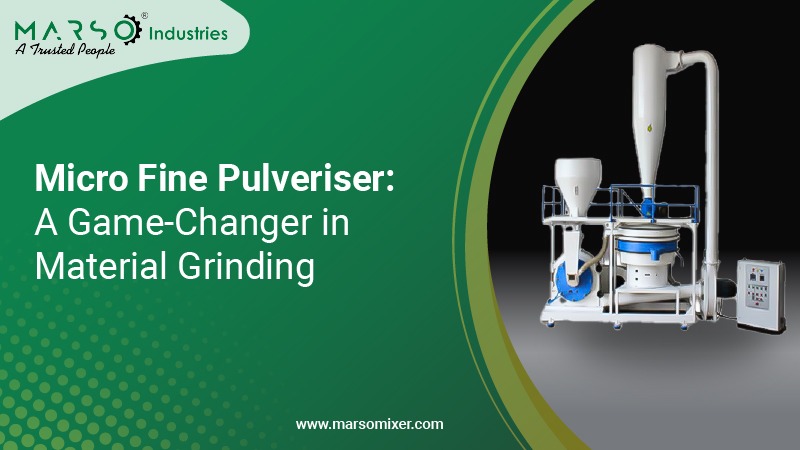
Marso Industries’ Micro Fine Pulveriser: A Game-Changer in Material Grinding
May 30, 2025
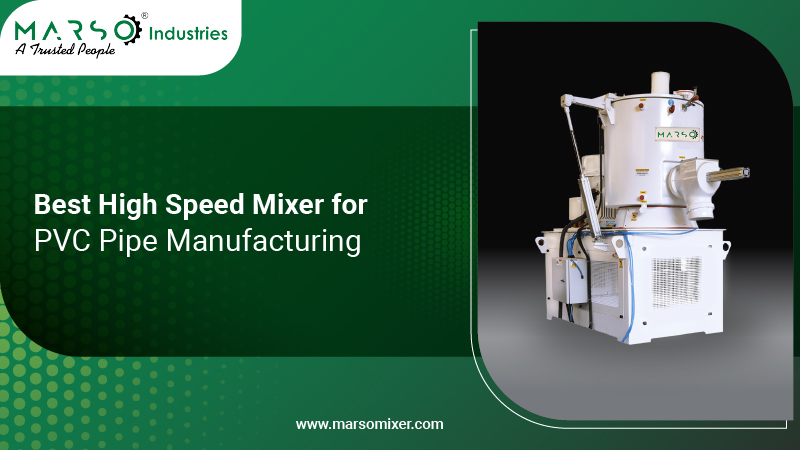
What Is a High Speed Mixer Machine? Features, Benefits & Applications
June 26, 2025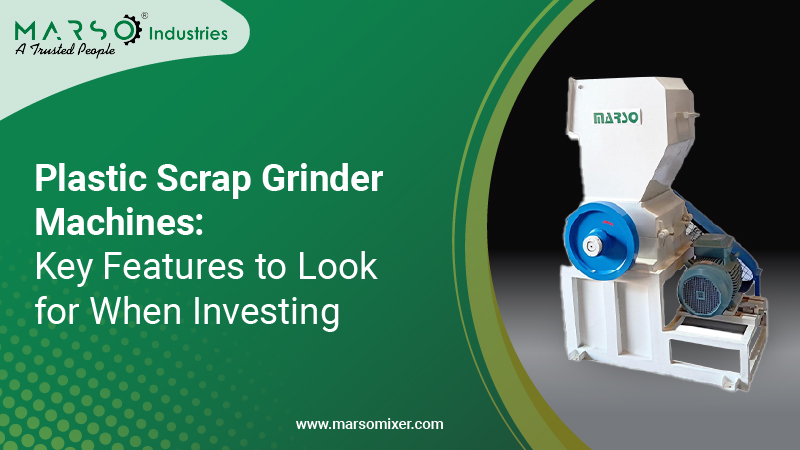
In today’s world, where sustainability and recycling are gaining rapid traction, investing in a high-quality scrap grinder machine has become essential for businesses in the plastic manufacturing and recycling sectors. These machines are crucial for reducing plastic waste and repurposing materials for further use. Whether you’re a small manufacturer or an industrial-scale recycler, having the right machine can significantly impact your efficiency, product quality, and environmental responsibility.
This guide by Marso Industries, a leading Plastic Scrap Grinder Manufacturer in Ahmedabad, India, will help you understand the vital aspects to consider before making an investment. From machine specifications to long-term benefits, here’s everything you need to know to make a well-informed decision.
Understanding the Role of a Plastic Scrap Grinder Machine
A plastic scrap grinder machine is designed to grind various types of plastic scraps—like molded parts, sheets, films, and pipes—into smaller granules or flakes. These smaller particles are easier to process and reuse in manufacturing new plastic products. The grinder plays a dual role: helping reduce plastic waste and cutting down raw material costs.
Industries like packaging, automotive, construction, and electronics often produce large amounts of plastic waste. With a grinder in place, you not only eliminate disposal issues but also contribute to the circular economy by reintroducing these materials into the production cycle.
Key Features to Consider Before Investing
Choosing the right plastic scrap grinder isn’t just about price. It’s about performance, longevity, and return on investment. Here are the essential features to evaluate before making your purchase:
-
Grinding Capacity and Throughput Efficiency
The first factor to assess is how much material the machine can process in a given time. The grinding capacity, often measured in kilograms or tons per hour, should align with your daily production and scrap volume.
- For small-scale operations: Look for machines with 50–100 kg/hr capacity.
- For industrial applications: Machines offering 500 kg/hr or more are more suitable.
A higher throughput ensures continuous production without frequent interruptions, increasing overall productivity.
-
Blade Quality and Material
The blades are the heart of any scrap grinder. Their sharpness, durability, and resistance to wear directly affect the machine’s performance.
- Material: High-carbon steel or alloy steel blades are preferred for their toughness.
- Design: Look for machines with adjustable or replaceable blades to reduce downtime and extend blade life.
- Configuration: Some machines offer multiple blade arrangements (e.g., staggered or straight) to suit various plastic types and sizes.
Always ask about the number of blades, their replacement cost, and sharpening frequency.
-
Motor Power and Energy Efficiency
A powerful motor ensures smooth and consistent grinding, especially when dealing with hard or thick plastics.
- Motor Rating: Measured in HP (Horsepower), choose a motor based on your material hardness and load volume. A 5–10 HP motor is ideal for medium-duty operations, while 15–30 HP or more may be needed for industrial tasks.
- Energy Efficiency: Machines with low energy consumption reduce operational costs and are better for the environment.
Opt for motors with overload protection and high torque to avoid frequent wear and tear.
-
Versatility in Processing Different Plastic Types
A good scrap grinder should handle a wide range of plastic types, including:
- PET, PVC, HDPE, LDPE
- PP (Polypropylene)
- ABS and polycarbonate
- Nylon and engineering plastics
The more versatile the machine, the better it adapts to changes in production requirements, increasing long-term value.
-
Safety Features and User-Friendliness
Operating a scrap grinder machine involves rotating parts and high-speed blades, making safety a top priority.
- Safety Interlocks: Prevent the machine from operating if covers are open.
- Emergency Stop Buttons: Easily accessible to shut down the machine instantly in emergencies.
- Overload Protection: Automatically cuts power to prevent motor burnout.
Ergonomic design, simple control panels, and easy blade access also make the machine more user-friendly and less prone to accidents.
-
Noise and Dust Reduction Mechanisms
Plastic grinding can be noisy and messy. Excessive noise can be harmful to workers, and dust can interfere with production environments.
- Noise Dampening Housing: Enclosures made from sound-absorbing materials can bring noise levels below 85 dB.
- Dust Extraction Systems: Look for models with built-in or compatible dust collectors to maintain a clean workspace.
These features are essential for maintaining workplace safety and regulatory compliance.
-
Ease of Maintenance and Spare Parts Availability
Even the best machines require regular maintenance. Choose a grinder that’s easy to clean, inspect, and repair.
- Modular Components: Ensure the parts can be easily disassembled.
- Blade Access: Quick-release systems or hinged designs make cleaning easier.
- Availability of Spares: Check if the manufacturer provides ready access to spare parts like blades, belts, or motors.
Partnering with a reliable manufacturer like Marso Industries ensures prompt service and part availability, minimizing downtime.
-
Cost-Effectiveness and ROI Considerations
While price matters, look beyond the upfront cost. Consider:
- Operational Costs: Energy consumption, labor, maintenance.
- Durability: A well-built machine may cost more initially but lasts longer and performs better.
- Resale Value: Machines from reputed brands often retain value over time.
Calculate your Return on Investment (ROI) by comparing the cost of the machine with the savings from reusing scrap and reducing raw material expenses.
Additional Tips for Choosing the Best Plastic Grinder Machine
- Always buy from manufacturers with a proven track record.
- Ask for machine demonstrations or videos before purchase.
- Check for warranty terms and after-sales service.
- Request references from other clients in your industry.
- Consider getting a trial unit if your scrap type is uncommon.
Industry Trends and Future of Plastic Recycling Machines
As environmental regulations tighten, the demand for eco-friendly plastic recycling solutions is growing rapidly. Emerging trends include:
- IoT-enabled Machines: For remote monitoring and predictive maintenance.
- High-speed Grinders: With optimized energy usage.
- Compact Models: Designed for small units and mobile plants.
- Fully Automated Systems: That integrate shredding, grinding, and pelletizing.
Investing in a modern scrap grinder now ensures you stay ahead in a competitive, sustainability-driven market.
India Trusted Manufacturer: Marso Industries
If you’re looking for a Plastic Scrap Grinder Manufacturer in Ahmedabad, India, look no further than Marso Industries. With years of experience in engineering durable, high-performance plastic recycling machines, Marso Industries has become a go-to name for businesses across India.
From single-stage grinders for small-scale users to high-capacity industrial models, they offer a wide range to your specific requirements. Their machines are engineered with precision, backed by expert support, and designed for efficiency and safety.