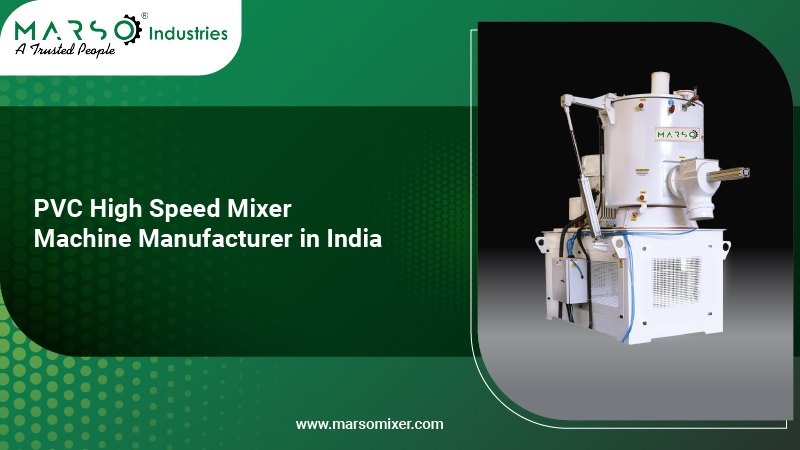
PVC High Speed Mixer Machine Manufacturer in India
April 10, 2026
How to Reduce Material Waste with a Plastic Masterbatch Mixer Machine
May 10, 2026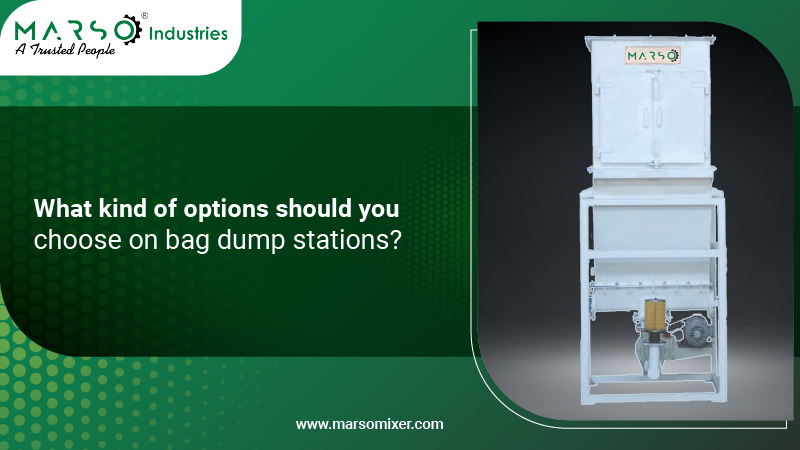
In modern material handling systems, bag dump stations play a critical role in ensuring safe, efficient, and dust-free unloading of bulk materials. Whether you’re working with powders, granules, or other dry materials, selecting the right configuration can directly impact productivity, safety, and operational costs.
From food processing and pharmaceuticals to plastics and chemicals, industries rely on both Small Bag / Jumbo Bag Dumping stations to streamline their processes. However, not all bag dump stations are built the same. Choosing the right options requires a clear understanding of your application, material type, and workflow requirements.
This guide will walk you through the essential options you should consider when selecting a bag dump station, helping you make an informed decision for your facility.
Understanding Bag Dump Stations and Their Purpose
A bag dump station is designed to allow operators to safely empty bags of material into a processing system while controlling dust and minimizing product loss. These stations typically include features like dust collection systems, ergonomic platforms, and discharge mechanisms.
For operations handling larger volumes, Small Bag / Jumbo Bag Dumping stations are used to manage both manual and bulk bag unloading efficiently. The right setup ensures smoother workflow, improved hygiene, and better operator safety.
Companies like Marso Industries specialize in designing customized solutions that cater to diverse industrial requirements, ensuring both performance and compliance.
Key Options to Consider in Bag Dump Stations
1. Dust Collection System
One of the most important features in any bag dump stations is an efficient dust collection system. When bags are opened and emptied, fine particles can become airborne, leading to health hazards and material loss.
A built-in dust collector with high-efficiency filters helps capture airborne particles and maintain a clean working environment. Some advanced systems include automatic filter cleaning mechanisms, reducing maintenance efforts and improving efficiency.
Choosing a high-quality dust collection system is especially important in industries like pharmaceuticals and food processing, where hygiene standards are strict.
2. Type of Bag Handling: Small Bags vs Jumbo Bags
Not all operations deal with the same type of packaging. Some handle small 25–50 kg bags, while others work with large bulk bags.
- Small Bag Dump Stations are ideal for manual operations and frequent material changes.
- Jumbo Bag Dumping stations are designed for handling bulk bags using hoists or forklifts.
If your operation involves both, consider a hybrid system that supports Small Bag / Jumbo Bag Dumping stations functionality. This flexibility can significantly improve operational efficiency.
3. Ergonomic Design and Operator Safety
Operator comfort and safety should never be overlooked. Poorly designed systems can lead to fatigue, injuries, and reduced productivity.
Look for features such as:
- Adjustable working height
- Bag support trays
- Anti-slip platforms
- Proper lighting
Ergonomic design not only improves safety but also enhances efficiency, allowing operators to work more comfortably and consistently.
4. Material Flow Control Mechanism
Controlling the flow of material is essential to avoid spillage and ensure consistent feeding into downstream equipment.
Common options include:
- Slide gates
- Rotary valves
- Screw conveyors
The choice depends on your material type and process requirements. For example, fine powders may require precise flow control, while granular materials may need simpler mechanisms.
A well-designed discharge system ensures smooth integration with the rest of your production line.
5. Integration with Downstream Equipment
A bag dump station should not function in isolation. It needs to integrate seamlessly with other equipment such as mixers, conveyors, or storage silos.
Before selecting a system, consider:
- Connection points
- Height compatibility
- Automation requirements
Custom solutions from manufacturers like Marso Industries can help ensure that your bag dump station fits perfectly into your existing setup, minimizing installation challenges.
6. Construction Material and Build Quality
The construction material of your bag dump stations determines its durability and suitability for specific industries.
- Stainless steel is preferred for food and pharmaceutical applications due to its hygienic properties.
- Mild steel is suitable for general industrial use.
Additionally, the build quality should support heavy-duty operations if your facility handles large volumes regularly.
7. Dust-Free and Enclosed Design
An enclosed design helps maintain a controlled environment by preventing dust escape and contamination.
Advanced bag dump stations come with:
- Sealed enclosures
- Glove box access
- Negative pressure systems
These features are particularly important in industries where product purity and worker safety are critical.
8. Automation and Smart Features
Modern Small Bag / Jumbo Bag Dumping stations are increasingly incorporating automation to improve efficiency.
Automation options may include:
- PLC-based controls
- Sensor-based operation
- Automated bag cutting systems
These features reduce manual effort, improve accuracy, and enhance overall productivity.
9. Ease of Cleaning and Maintenance
Regular cleaning and maintenance are essential for long-term performance and compliance with industry standards.
Look for designs that offer:
- Easy access panels
- Removable components
- Minimal dead zones
A system that is easy to maintain will reduce downtime and operational costs over time.
10. Customization Based on Industry Needs
Every industry has unique requirements, and a one-size-fits-all approach may not work.
For example:
- Food industry requires hygienic design and easy cleaning
- Chemical industry may need corrosion-resistant materials
- Plastic industry may prioritize high-capacity handling
Working with experienced manufacturers like Marso Industries ensures that your bag dump station is tailored to your specific application.
Why Choosing the Right Bag Dump Station Matters
Selecting the right bag dump stations is not just about handling materials—it’s about optimizing your entire workflow.
The right system can:
- Improve operational efficiency
- Enhance worker safety
- Reduce material loss
- Ensure compliance with industry standards
On the other hand, a poorly chosen system can lead to frequent breakdowns, higher maintenance costs, and operational inefficiencies.
Conclusion
Choosing the right options for bag dump stations requires careful consideration of multiple factors, including dust control, material handling type, ergonomics, and integration capabilities.
Whether you need Small Bag / Jumbo Bag Dumping stations or a fully customized solution, focusing on the right features can significantly improve your operational efficiency and safety standards.
With expertise in industrial material handling solutions, Marso Industries provides reliable and high-performance bag dump stations designed to meet diverse industry needs.
FAQs
1. What are bag dump stations used for?
Bag dump stations are used to safely unload powders and granular materials from bags into processing systems while controlling dust and ensuring operator safety.
2. What is the difference between small bag and jumbo bag dumping stations?
Small Bag Dump Stations are designed for manual handling of smaller bags, while Jumbo Bag Dumping stations are used for large bulk bags and often involve mechanical lifting systems.
3. How do bag dump stations control dust?
They use integrated dust collection systems with filters to capture airborne particles and maintain a clean working environment.
4. Can bag dump stations be customized?
Yes, manufacturers like Marso Industries offer customized solutions based on industry requirements, material type, and production capacity.
5. What industries use bag dump stations?
Industries such as food processing, pharmaceuticals, chemicals, plastics, and recycling commonly use bag dump stations for efficient material handling.